
 Heart (or cardiovascular) disease is the leading cause of death in America and has been so for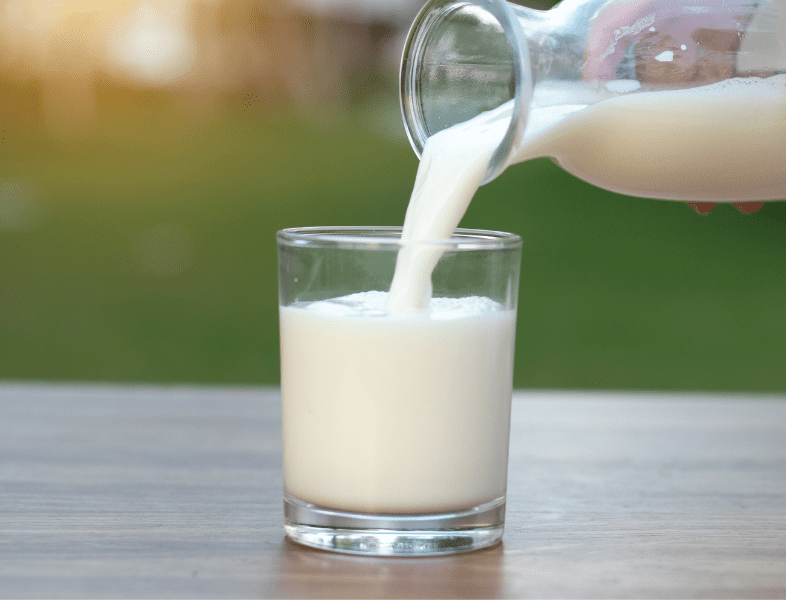


Dairy and Heart Health FAQs
In addition to providing 13 essential nutrients many Americans lack, milk can play a significant role in reducing the risk of stroke and high blood pressure. Milk comes in many forms, from full fat to non-fat. Research has shown that milk consumption, regardless of its fat content, is not associated with risk for heart disease.
The Dietary Guidelines for Americans recommends limiting saturated fat intake to no more than 10 percent of total calories daily. If adhering to a 2,000-calorie dietary pattern, that’s 22 grams of saturated fat daily.
It is possible to enjoy the occasional ice cream and stay within these calorie limits. But do so in moderation and be mindful of the portion size; a ½ cup of ice cream, for instance, can have about 4-5 grams of saturated fat.
Or consider combining unsweetened/low-sugar yogurt and naturally sweetened fresh fruit, found in these homemade frozen yogurt pops.
Cottage cheese is a versatile, affordable, and healthy dairy product that has many of the same nutrients as milk. The Dietary Guidelines for Americans recommends three servings of dairy for most Americans, with two cups of cottage cheese considered a serving.
Some studies have linked cheese consumption with a reduced risk of both heart disease and stroke. To further maximize heart health, select a cottage cheese brand that’s low sodium.
Numerous studies have uncovered positive associations between yogurt and heart health.
A prospective cohort study concluded that milk-based yogurt consumption reduced the risk of developing high blood pressure by 10 percent.
Another study found that eating fermented foods such as yogurt can help reduce the risk of stroke.
Research has also linked yogurt consumption with a reduced risk of developing cardiovascular disease.
While some studies saw no association between cheese consumption and heart disease risk, others have linked cheese with a reduced risk of both heart disease and stroke.
The Dietary Guidelines for Americans recommends limiting saturated fats to no more than 10 percent of total calories daily to prevent high cholesterol. It is possible to enjoy low-fat and full-fat cheeses and stay within these calorie limits. Consider low-sodium varieties to further maximize heart health.